
How Long Do Sewer Lines Last? Lifespan, Warning Signs, And Replacement Tips
- 24 Hour Plumbing
- 2 days ago
- 5 min read
Your sewer line is one of those things you never think about until something goes wrong. It sits underground, quietly doing its job, moving wastewater away from your home day after day. But like every part of your plumbing infrastructure, it has a lifespan - and when it starts to fail, the problems can be messy, expensive, and disruptive.
So, how long do sewer lines actually last? The honest answer depends on what your pipe is made of, how well the surrounding soil behaves, and whether your system has been maintained over the years. Here is what every homeowner should know.
How Long Do Sewer Lines Last by Material Type?
The material used in your sewer line is the single biggest factor affecting its life expectancy.
Homes built in different eras were constructed with different pipe materials, and some of those materials have held up far better than others.
Clay and Vitrified Clay Pipe
Vitrified clay pipe has been used in sanitary sewer systems for over a century. When properly installed and maintained, clay pipe can last anywhere from 50 to 60 years, with some lasting longer in stable soil conditions. The material itself resists corrosion well, but the clay pipe is brittle. It can crack under pressure, shift when soil settles, and is highly vulnerable to root intrusion from trees and shrubs seeking moisture.
Cast Iron Pipe
Cast iron pipe was the standard for residential plumbing throughout much of the 20th century. A well-installed cast iron sewer line can last 75 to 100 years under the right conditions. However, cast iron is susceptible to corrosion over time, especially when exposed to acidic soil or aggressive wastewater. Once corrosion sets in, it moves quickly and can compromise the pipe's structural integrity from the inside out.
PVC (Polyvinyl Chloride) Pipe
Polyvinyl chloride, or PVC, became the dominant material in residential construction starting in the 1970s. It is lightweight, resistant to corrosion, smooth on the inside, which helps wastewater and sewage flow freely, and highly durable. PVC plastic pipework is generally expected to last 100 years or more when installed correctly. If your home has a newer sewer line, it is likely PVC.
Orangeburg Pipe
This is the one that causes the most concern for older homeowners. Orangeburg pipe was made from compressed wood pulp and pitch and was widely used after World War II as a cost-saving alternative. Named after Orangeburg, South Carolina, where it was manufactured, this material was never designed to last. Most Orangeburg pipe begins to fail within 50 years, and many systems using it have already reached or exceeded that threshold. If your home was built between the 1940s and 1970s and the sewer line has not been replaced, there is a real chance it could be Orangeburg.
Lead Pipe
Lead pipe was used in very early plumbing systems and is now extremely rare in residential sewage lines. Any remaining lead pipe in an older system should be replaced immediately, both for safety reasons and because the material has long since passed its useful life.
What Damages a Sewer Line Before Its Time?
Even the most durable pipe can fail early if conditions work against it. Understanding these factors can help you catch problems before they become emergencies.
Root intrusion is one of the most common culprits. Tree and shrub roots naturally grow toward moisture, and a sewer pipe is an ideal target. Once roots find a small crack or joint, they work their way inside and eventually cause blockages or pipe collapse. Clay pipe and older cast iron pipe are especially vulnerable.
Soil movement and shifting put stress on buried pipes. Seasonal changes in Tennessee, combined with heavy rainfall and erosion, can cause soil to settle unevenly. This leads to pipe misalignment or what plumbers call "bellying," where a section of pipe sags and allows sewage to pool rather than flow.
Corrosion from the inside is another serious issue. Hydrogen sulfide gas produced by decomposing organic matter in wastewater can eat away at cast iron pipe over time. Acidic soil can attack pipes from the outside. Both forms of corrosion reduce the pipe's structural integrity faster than normal wear.
Grease buildup and improper use also shorten a sewer line's life. Flushing items that should not go down the toilet, or pouring grease down a bathroom or kitchen drain, creates buildup that restricts flow and stresses the pipe.
Warning Signs Your Sewer Line Is Failing
Your sewer system usually gives you warning signals before a full failure. Learning to recognize these signs early can save you significant money and avoid serious damage to your property.
Slow drains throughout the house are one of the first things homeowners notice. If a single drain is slow, you likely have a localized clog. But if multiple fixtures, including the toilet, bathroom sink, and shower, are all draining sluggishly, the problem is likely deeper in the sewer line.
Frequent backups and gurgling sounds from drains or toilets suggest a blockage or partial collapse somewhere in the line. Sewage backing up into a tub or floor drain is a clear sign that the system is struggling.
Odor coming from drains or your yard is another serious indicator. A functioning sanitary sewer system is sealed. If you are smelling sewage odor inside your home or noticing unusually lush, wet patches of grass in your yard, wastewater may be escaping from a crack or break underground.
Sudden pest activity near floor drains or in your basement can also signal a sewer breach, as rodents and insects are attracted to sewage.
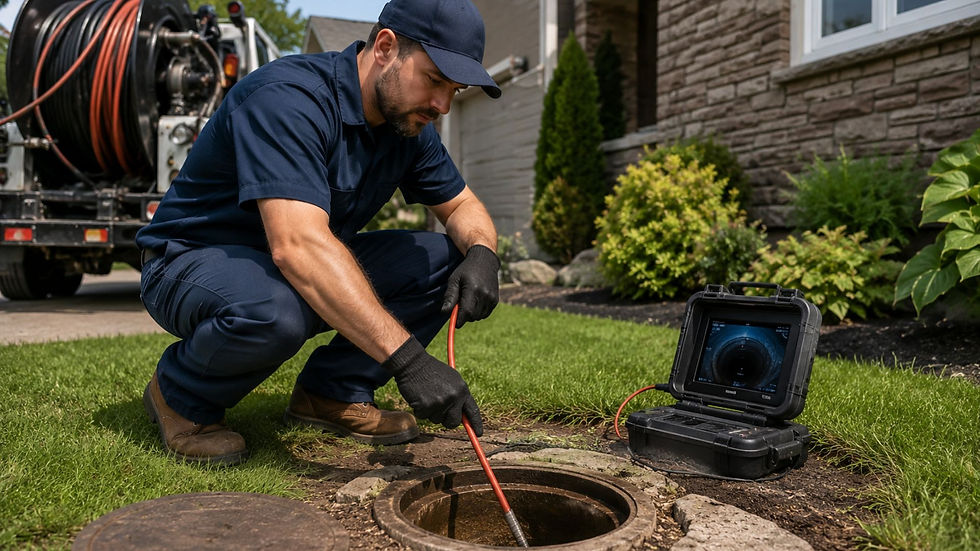
If you notice any of these signs, do not wait. A professional inspection using a sewer camera can identify the location and severity of the problem without any digging.
What Does Sewer Line Replacement Involve?
The cost and process of sewer line replacement depend on the extent of the damage, the pipe material, the depth of the line, and access to the pipe.
Traditional replacement involves excavating a trench from the home to the connection point at the municipal storm drain or main sewer line. This is effective but disruptive to landscaping and hardscaping. A nominal pipe size of 4 inches is standard for most residential sewer laterals.
Trenchless repair methods, such as pipe lining or pipe bursting, are a less invasive alternative.
These techniques allow plumbers to rehabilitate or replace a pipe without major excavation. Not every situation qualifies for trenchless repair, which is why a camera inspection is typically the first step.
Tips to Extend the Life of Your Sewer Line
You cannot stop time, but you can slow the aging process with a few straightforward habits.
Schedule a sewer camera inspection every few years, especially if your home is older or has mature trees nearby.
Avoid planting trees or large shrubs near your sewer line path.
Never flush wipes, cotton products, or grease down your drains.
Address slow drains and minor backups promptly before they develop into bigger failures.
Regular maintenance costs far less than emergency replacement, and it gives you peace of mind that your plumbing system is working as it should.
How to Know When Your Sewer Line Needs Replacement
Sewer lines are built to last, but no pipe lasts forever. Whether you have clay, cast iron, or PVC running beneath your yard, knowing the warning signs and acting early makes all the difference.
If you are in Middle Tennessee and suspect your sewer line may be nearing the end of its life, the team at Twenty Four Hour Plumbing is ready to help. Contact us at 615-785-3827 to schedule a sewer line inspection or learn more about our sewer line and water line installation services.

Comments