
What Is Included in a Whole-Home Plumbing Inspection? Clear Breakdown for Homeowners
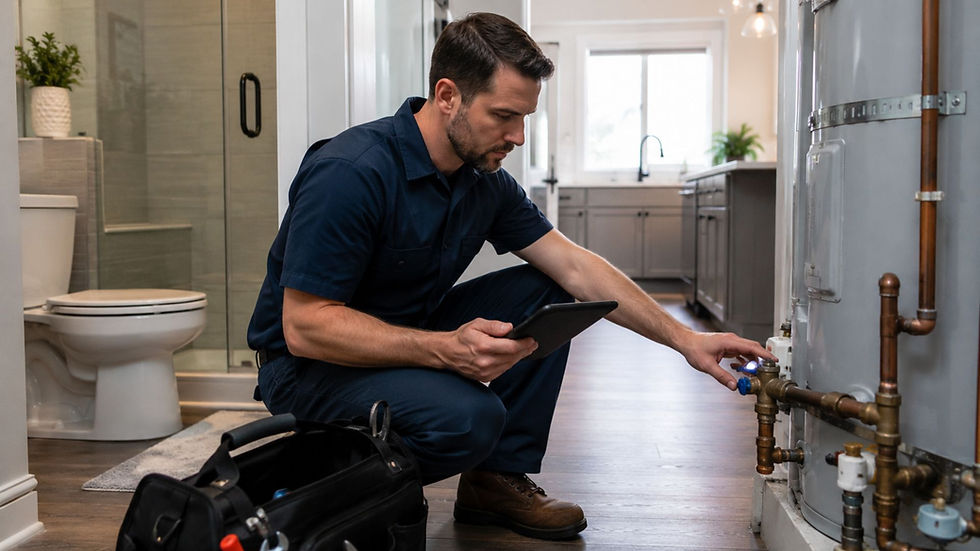
If you have ever wondered whether your home's plumbing is truly in good shape, a whole-home plumbing inspection is the most reliable way to find out. Many homeowners only think about their pipes and fixtures when something goes wrong, but by that point, the damage is often already done.
A professional inspection gives you a clear picture of what is working, what needs attention, and what could turn into a costly emergency down the road. Think of it as routine maintenance for one of the most important systems in your home.
Why a Whole-Home Plumbing Inspection Matters
Plumbing issues rarely announce themselves before they become serious. A small leak behind a wall or under a slab can cause significant water damage before anyone notices. Corrosion in older pipes can go undetected for years, slowly weakening the system until a pipe fails entirely.
A thorough inspection by a licensed plumber helps you stay ahead of those problems. It also gives you documentation of your system's condition, which can be valuable during a home sale or insurance claim. More importantly, it protects your investment in the property.
What a Plumber Checks During a Whole-Home Inspection
Water Supply Lines and Pressure
One of the first things a technician evaluates is your water pressure. Both high and low pressure can indicate underlying issues with your supply lines or pressure-regulating valve. Consistent, balanced pressure is essential for the health of every fixture and appliance connected to your plumbing system.
The plumber will also inspect visible supply pipes for signs of corrosion, mineral buildup, or physical damage. If your home has older galvanized steel pipes, this part of the inspection is especially important.
Drain and Sewer Line Condition
Every drain in your home connects to the sanitary sewer system, and blockages or damage anywhere along that path can cause serious backups. A plumber will check drains for slow flow, unusual odors, or signs of root intrusion from trees growing near underground pipes.
For a more detailed look, some inspections include a camera assessment of the sewer line itself. This reveals cracks, root infiltration, or buildup that cannot be detected from above ground.
Fixtures, Faucets, and Toilets
Each tap, faucet, and toilet in the home is examined for leaks, proper function, and wear. A running toilet or dripping tap may seem minor, but these small issues waste significant water over time and raise utility bills. Catching them early supports water conservation and saves money.
The plumber will also check plumbing fixtures for signs of corrosion, loose connections, or outdated components that may need replacement.
Water Heater Inspection
Your water heating system is one of the most used and often neglected parts of your home's plumbing. During an inspection, the technician will check the tank or tankless unit for sediment buildup, pressure relief valve function, and signs of leaking or rust.
A water heater that is not maintained properly can fail suddenly, leaving you without hot water or, in worst cases, causing flooding. Regular inspections help extend the life of the unit and ensure it operates safely and efficiently.
Shut-Off Valves and Emergency Access Points
Every home should have accessible shut-off valves that work properly. In a plumbing emergency, being able to quickly stop the water supply can prevent major damage. The plumber will test the main and individual shut-off valves to confirm they turn freely and seal correctly.
Stuck or corroded valves are more common than most homeowners realize, and replacing them before an emergency is far less stressful than discovering the problem mid-crisis.
Exposed Pipes and Connections
Any pipes visible in basements, crawl spaces, or utility areas will be checked for signs of moisture, rust, or improper pipe connections. These areas are often overlooked during general home repair and maintenance, but they can reveal slow leaks or structural concerns with the plumbing system.
The technician will also look at how pipes are supported and whether any are showing stress or unusual wear.
How Often Should You Schedule a Plumbing Inspection?
Most plumbing professionals recommend scheduling a whole-home inspection every one to two years, depending on the age of your home and the condition of your pipes. Older homes with original plumbing may need more frequent checks.
If you have recently purchased a home, are planning a renovation, or have noticed any warning signs like low water pressure, slow drains, or unexplained increases in your water bill, scheduling an inspection sooner rather than later is a smart move.
What a Whole-Home Plumbing Inspection Covers
A whole-home plumbing inspection covers everything from water pressure and drain lines to your water heater, fixtures, and shut-off valves. It is one of the most practical steps you can take to protect your home and avoid unexpected repair costs.
If you are ready to schedule a maintenance check or have concerns about your system, reach out to Twenty Four Hour Plumbing at 615-785-3827. Our licensed, experienced plumbers serving Smyrna and Middle Tennessee are here to help.


Comments